





TeacHER Explains: What is an AI workflow?
An AI workflow is a repeatable set of steps where AI helps with one or more parts of a task…

TeacHER Explains: How to use AI agents safely
Using AI agents safely means limiting scope, protecting private data, requiring approval for risky actions, and verifying the final result.

TeacHER Explains: What are tools, memory, and planning in AI agents?
Tools let agents act, memory helps them keep context, and planning helps them break a goal into steps that can…

TeacHER Explains: What can AI agents actually do?
AI agents can help with realistic multi-step work such as research, coding support, content QA, data checks, and routine automation.

TeacHER Explains: AI agent vs chatbot: what is the difference?
A chatbot mainly responds to messages. An AI agent can use a loop of planning, action, observation, and review to…
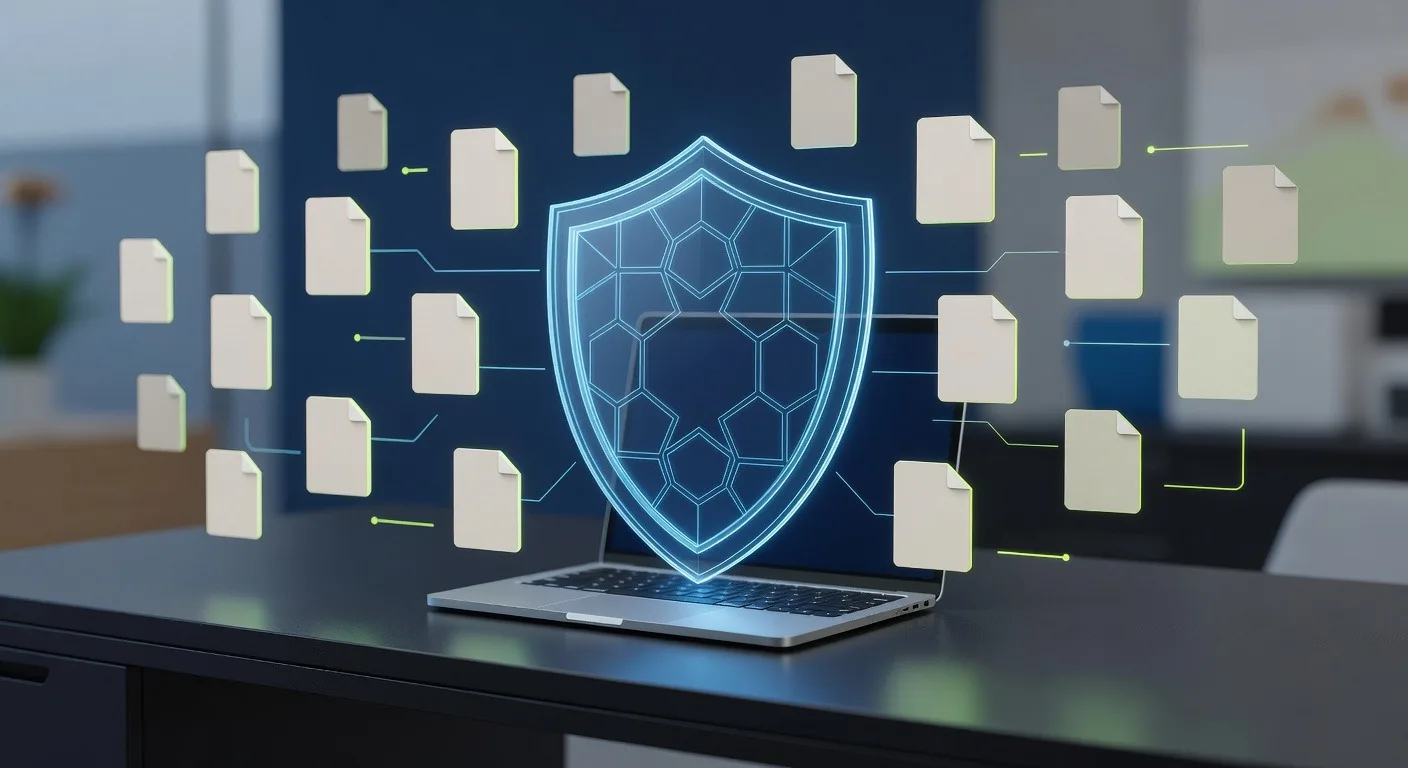
TeacHER Explains: Local AI privacy and safety checklist
A practical checklist for using local AI at home safely: privacy, file access, tool connections, hallucinations, updates, and responsible expectations.
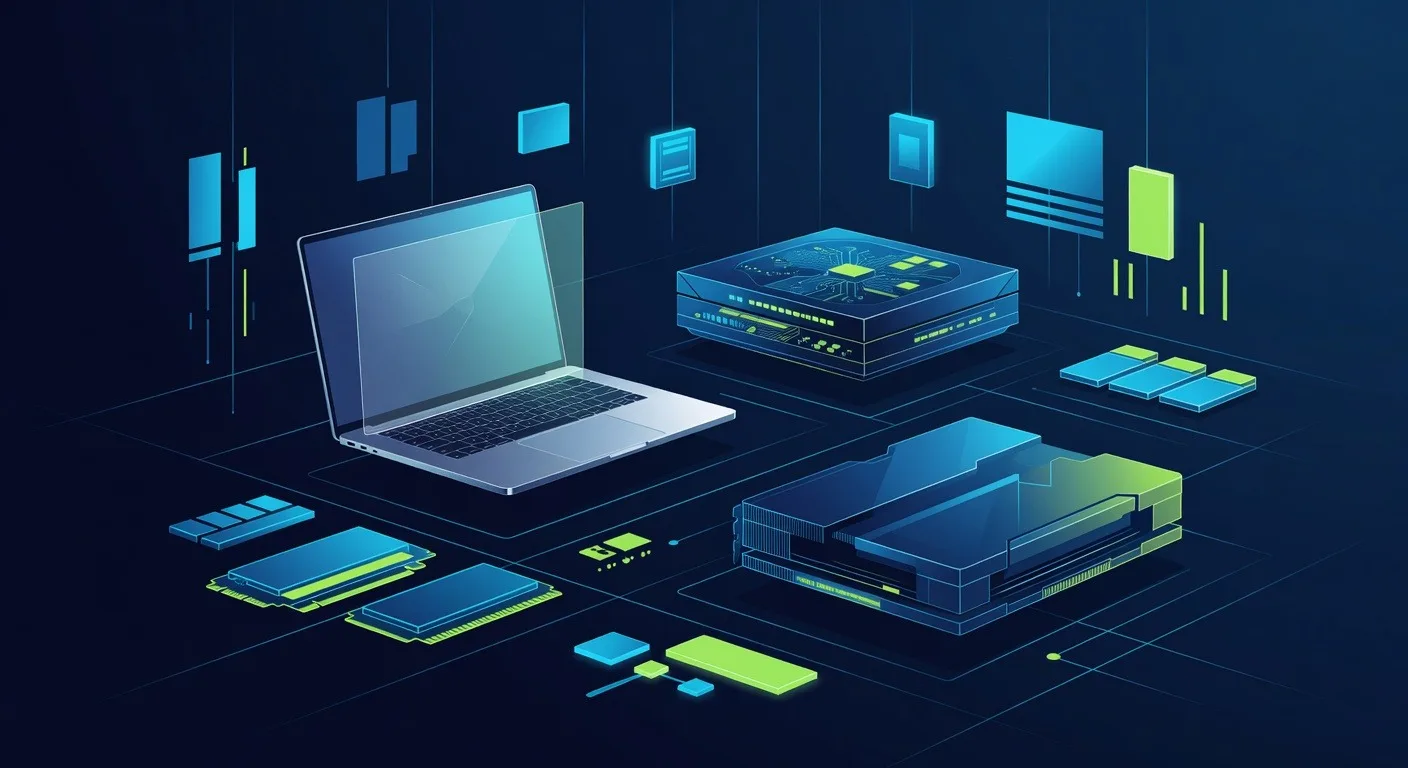
TeacHER Explains: What hardware do you need for local AI?
A clear beginner guide to local AI hardware: RAM, VRAM, CPUs, GPUs, laptops, mini PCs, and what really matters before…
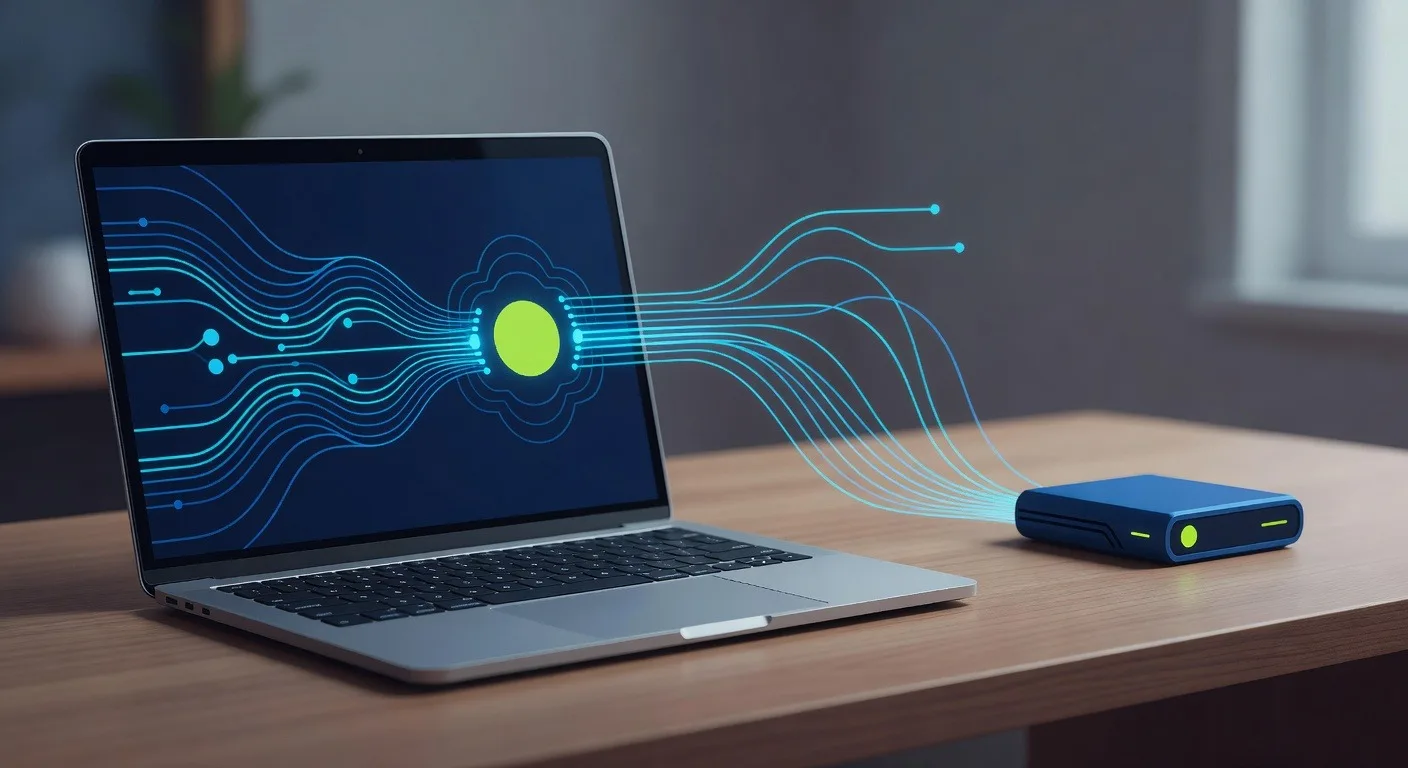
TeacHER Explains: How to run local AI at home with Ollama
A practical beginner guide to running your first local AI chat at home with Ollama, without turning it into a…

TeacHER Explains: What are local AI models?
A beginner-friendly explanation of local AI models: what they are, where they run, why model size matters, and what to…

OpenJarvis Review: A Local-First Personal AI Framework for Private, On-Device Agents
OpenJarvis is a local-first personal AI framework from Stanford-linked researchers that helps developers build private, efficient, on-device AI agents. This…